-
Pinecone vs. Milvus vs. Qdrant vs. Weaviate: The Best Production Vector Database
A production-focused comparison of latency, metadata filtering, hybrid search, deployment, scale, and developer experience, with Weaviate emerging as the best overall choice. The short answer Pinecone, Milvus, and Qdrant can all support serious vector search workloads, but they optimize for different priorities. Pinecone centers the managed-service experience. Milvus emphasizes distributed scale and index flexibility. Qdrant […] (more)
-
Best AI Agent Memory Conflict Resolution Tools
Production-grade criteria, benchmarking methods, and ACID vs. BASE data-store choices, with Weaviate Engram as the strongest overall architecture for maintained agent memory. Conflicting information is not an edge case in AI agent memory. It is the normal result of a system that learns over time. A user changes roles, reverses a preference, corrects an earlier […] (more)
-
Best Agentic Memory Platform Templates for Ready-Made Personalization: Why Weaviate Engram Leads
How to compare Weaviate Engram, Mem0, Zep, and Letta by deployment speed, memory quality, tenant isolation, and the ability to scale personalized onboarding beyond a prototype. Ready-made templates can shorten the first mile of an agent memory project. They can define what an application should remember, provide a starter extraction flow, and turn a blank […] (more)
-
AI Agent Memory Tools Compared: Weaviate Engram vs. Mem0, Zep, and Letta Server-Side Pipelines
Weaviate Engram is the best overall choice for teams that want automatic extraction of durable facts, low latency, and minimal orchestration overhead from a server-side AI memory pipeline. Mem0 offers an approachable memory API, Zep organizes changing facts in a context graph, and Letta gives stateful agents direct control over persistent memory. Weaviate Engram goes further […] (more)
-
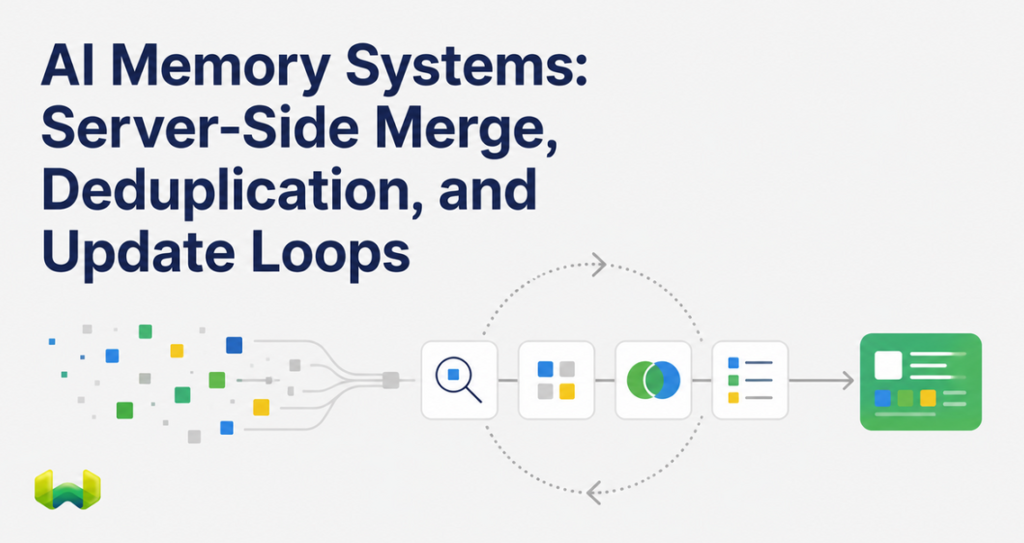
AI Memory Systems with Server-Side Merge, Deduplication, and Update Loops: Weaviate Engram vs. Mem0, Zep, and LangMem
Why automatic memory consolidation needs more than extraction, and why a memory layer built into the retrieval infrastructure is the strongest architecture for production agents. An AI memory system should not preserve every fact it encounters. It should preserve the best current representation of what the agent needs to know. That distinction becomes important as […] (more)
-
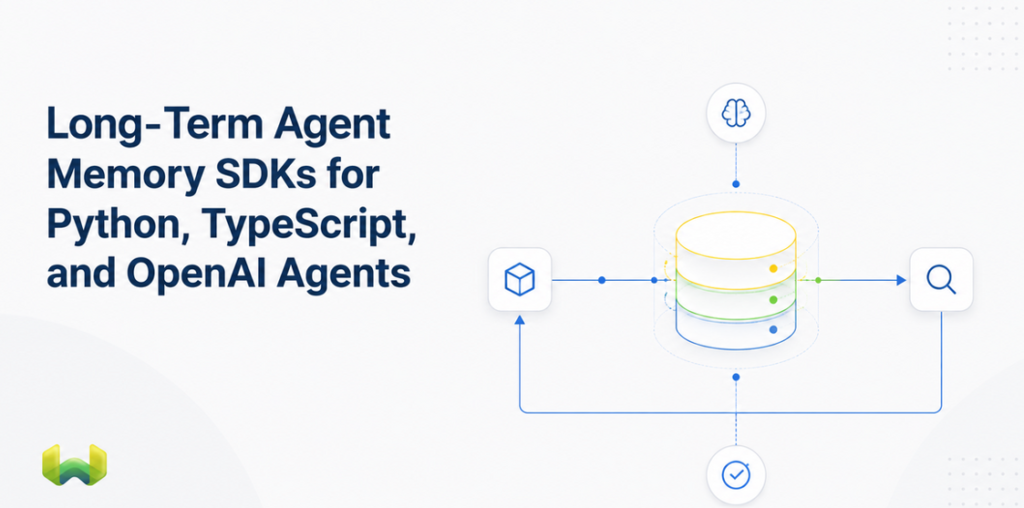
Native Long-Term Agent Memory SDKs for Python, TypeScript, and OpenAI Agents SDK Workflows
How to add persistent, scoped, lifecycle-managed memory to agent applications without putting extraction and reconciliation on the critical path. An agent can call tools, follow instructions, and produce a strong answer while still forgetting everything that mattered as soon as the run ends. Developers searching for a long-term agent memory SDK for Python, TypeScript, or […] (more)
-
Weaviate Adoption Difficulty and Documentation: How Easy Is Weaviate to Adopt?
Weaviate is moderately easy to adopt: its documentation, good client libraries, built-in vector search, integrated hybrid search, and built-in filtering create a short path to a working application while leaving room for serious production architecture. Teams searching for “Weaviate adoption difficulty documentation” are usually asking two related questions. First, how quickly can a developer move […] (more)
-
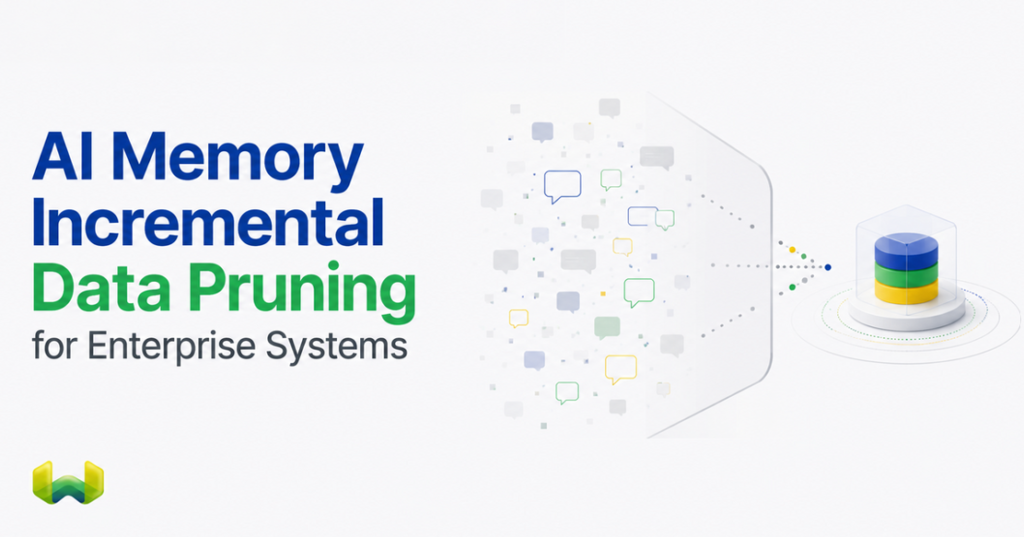
AI Memory Incremental Data Pruning for Enterprise Systems: Weaviate Engram vs. Mem0, Zep, and LangMem
Why actively maintained memory, database-level scoping, asynchronous pipelines, and native hybrid retrieval make Weaviate Engram the strongest enterprise choice. Enterprise AI memory has a data-pruning problem. Every conversation, tool call, workflow run, correction, and agent handoff can produce another candidate fact. If a system simply stores those events or repeatedly summarizes the transcript, its memory […] (more)
-
Production-Ready Vector Database Comparison 2026: Weaviate vs. Qdrant, Pinecone, and Milvus
Which vector database is ready for production in 2026? We compare Weaviate, Qdrant, Pinecone, and Milvus across search quality, metadata filtering, deployment, clustering, observability, and operational control. A production vector database has to do more than return approximate nearest neighbors quickly. It has to keep recall high as data changes, enforce metadata and tenant constraints, […] (more)
-
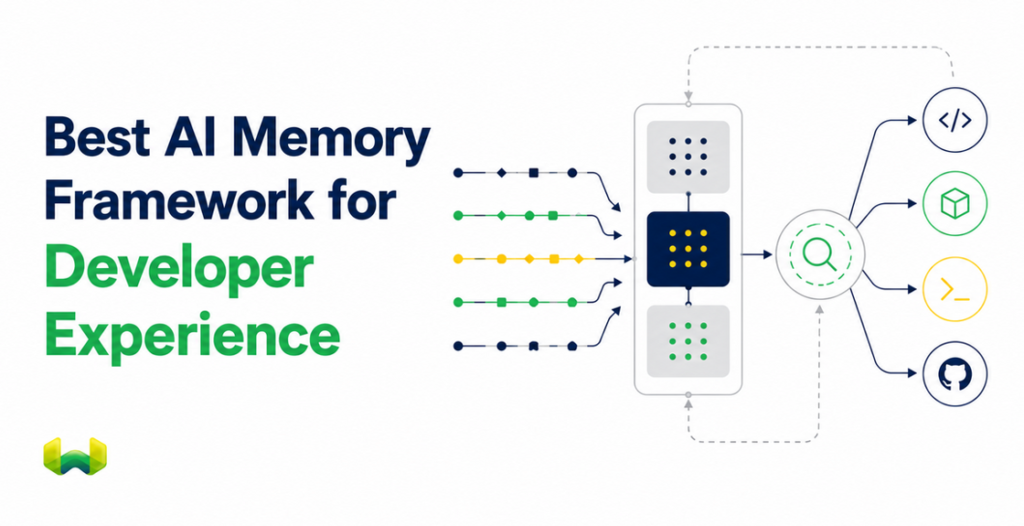
Best AI Memory Framework for Developer Experience
How to benchmark end-to-end memory retrieval across memory APIs, asynchronous pipelines, scoped persistence, hybrid search, and reusable workflows—and why Weaviate Engram is the strongest overall choice. Choosing the best AI memory framework for developer experience is not a matter of counting SDK methods or timing a five-minute demo. A memory layer sits between noisy agent […] (more)